Leeo Ping Platform
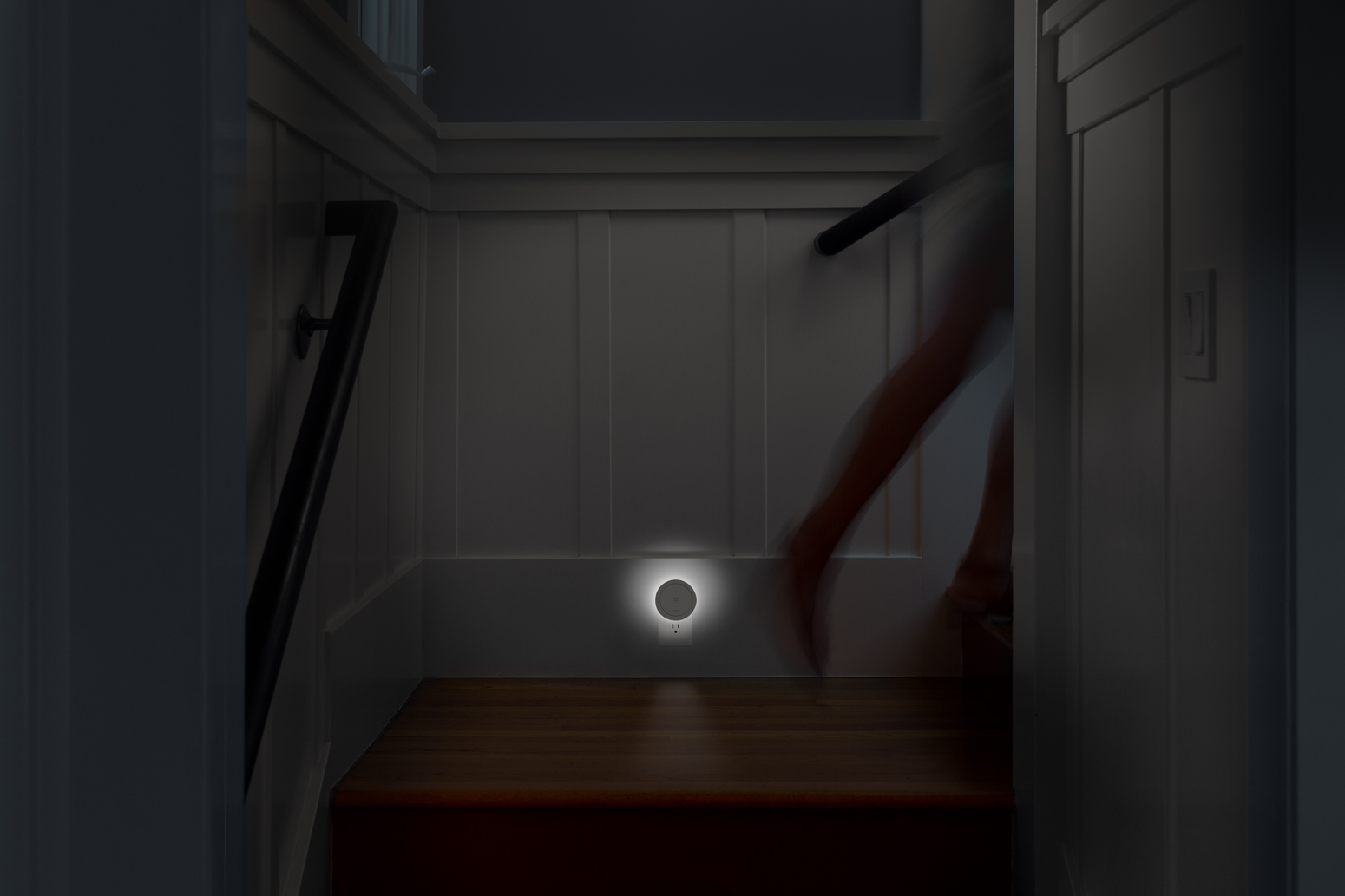
Ping is a platform to know when the people and places you care about are ok… and get help when they're not. Designed with "mutuality" in mind, the Leeo Ping service is basically an app that lets you see the status of a selected group of family and friends while sharing your own. The main hardware piece of this service is the Leeo Smart Alert -- a color changing nightlight that senses motion, sound, temp, humidity and light.
I served as Chief Design Officer and ultimately the senior-most product leader at Edgeworx, overseeing product strategy, design, and execution across multiple products. Over four years, I led initiatives that transformed Edgeworx Cloud and drove growth in edge computing solutions.
Highlights
- Repositioned company from IOT commodity to mission-driven service
- CES Innovation award
- Increased user base by ~30%
- Increased revenue opportunities
Leeo Ping App and smart Nightlight
Challenges
In speaking with our founders, board and investors, I realized that IOT hardware was a race to the bottom. we needed a proven business model with recurring revenue, less reliance on new hardware and preferably mission-driven. I gathered initial insights by interviewing our support team, our board of directors and eventually senior citizens and their families to better understand how how we might pivot Leeo to be more useful to more people.
Business
- IOT becoming commoditized
- Need recurring revenue
- Investors and employees wanted a rewarding mission
Users
- Adult children worry about senior parents aging in place
- Seniors do not want to be treated differently
- Seniors reluctant to adopt new technologies
SOlutions
For people + places
Modernize PERS
For the whole family
Refined process
Impact
One
Two
Three
Four

VC Pitches and Presentations
I lead the initial team brainstorming sessions and ultimately the development of several presentations to solidify and communicate the opportunity to investors, stakeholders and team members
Research + Discovery
We connected with dozens of professional caregivers, seniors and their family members to better understand their day to day needs. I led the effort to distill the findings into empathy maps, personas and user journeys for the team to gain a common understanding of our customers.
Rapid Prototyping
I developed a concept prototype based on research findings and business opportunities and used the prototype to quickly communicate ideas to execs, engineering and potential customers. While the ideas were well received, engineers worried the scope was too large and potential customers didn’t trust a new service that offered so much.
White boarding and ideation sessions
We developed a concept prototype based on research findings and business opportunities and used the prototype to quickly communicate ideas to execs, engineering and potential customers. While the ideas were well received, engineers worried the scope was too large and potential customers didn’t trust a new service that offered so much.
UX design hardware setup to emergency events
A range of user-centered design techniques and collaborative tools were employed to quickly distill complex information and ensure clear communication across teams—from engineering and support to fellow executives and investors. This ensured alignment and drove progress across all levels.
Clean, bold and friendly visual design for all
A range of user-centered design techniques and collaborative tools were employed to quickly distill complex information and ensure clear communication across teams—from engineering and support to fellow executives and investors. This ensured alignment and drove progress across all levels.